Lonelyday Font: Handwritten Charm for Makers
There is a specific moment in every product design session where the layout feels technically correct but emotionally flat. Last Tuesday, while preparing a new batch of soy candle labels for my shop, I hit that exact wall. The minimalist sans serif I usually rely on looked clean, but it lacked the warmth that defines my brand’s handmade aesthetic. I needed something that felt like it was written by a person, not generated by a machine, yet remained legible enough for customers to read quickly at a market stall. That is when I opened up Lonelyday.
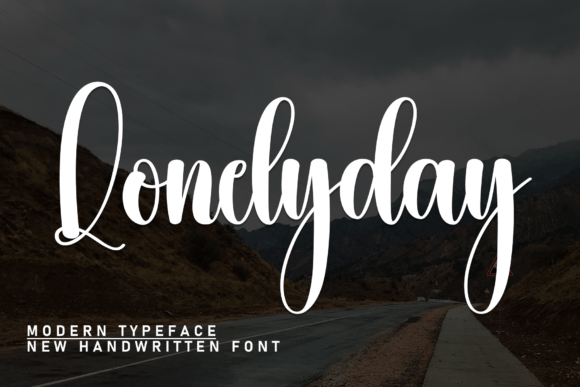
As I typed out "Lavender & Sage" using this handwritten font, the design instantly transformed. The letters have a natural bounce and organic flow that mimics genuine penmanship without sacrificing clarity. It wasn't just text anymore; it was an invitation. For crafters and small business owners, finding a typeface that bridges the gap between professional polish and artisanal charm is rare. Lonelyday sits comfortably in that sweet spot, offering a versatile script amp style that feels personal, approachable, and distinctly creative.
Elevating Product Packaging and Labels
When you are selling physical goods, your packaging is often the first tangible interaction a customer has with your brand. Whether you are designing stickers for envelope seals, tags for boutique clothing, or labels for pantry jars, typography sets the tone. In my own testing with candle labels, I found that Lonelyday works exceptionally well as a display font for product names. Its weight is substantial enough to stand out against textured paper or matte vinyl, but the strokes retain enough delicacy to avoid looking heavy or clunky.
For makers using cutting machines like Cricut or Silhouette, readability and cuttability are paramount. Intricate scripts can sometimes result in torn edges or weeding nightmares. Lonelyday features smooth curves and connected ligatures that translate beautifully to vinyl and cardstock. I tested it on a 2-inch circular sticker for jar lids, and even at that smaller scale, the letterforms remained distinct. This makes it a reliable choice for:
- Product Labels: Ideal for highlighting scent names, flavors, or collection titles on candles, soaps, and baked goods.
- Boutique Tags: Adds a premium, hand-signed feel to clothing hang tags or jewelry cards.
- Packaging Accents: Perfect for "Thank You" stickers, tissue paper stamps, or box sleeves.
- Seasonal Items: Versatile enough for holiday gift tags, Valentine’s Day packaging, or autumn market signage.
The emotional appeal of a handwritten typeface cannot be overstated. When a customer picks up a product labeled with Lonelyday, they subconsciously register the care involved in its creation. It signals that a real person made this, fostering a connection that generic fonts simply cannot achieve.
Designing Stationery and Digital Printables
Beyond physical products, Lonelyday shines in the realm of paper goods and digital downloads. As a printable creator, I often struggle to find script fonts that look authentic in wedding stationery or planner inserts. Many scripts feel too formal or dated, while others are too messy to be practical. Lonelyday offers a modern handwriting aesthetic that feels current and fresh.
I recently used it to mock up a wedding welcome sign template. The font’s playful yet elegant personality struck the right balance for a contemporary couple who wanted their stationery to feel relaxed but intentional. Because it includes various alternates and swashes, I could customize the lettering to avoid repetitive shapes, making the digital template look bespoke. This level of detail is crucial for Etsy sellers and stationery designers whose value proposition lies in unique, high-quality design assets.
For digital planners and journaling pages, readability over long periods is key. While Lonelyday is primarily a display font perfect for headers, monthly titles, and decorative quotes, it pairs beautifully with simpler body text. It adds visual hierarchy to a page, guiding the user’s eye and breaking up blocks of information with moments of artistic delight. When creating social media graphics or listing images for these digital products, using Lonelyday in your mockups helps potential buyers visualize the final result, increasing perceived value and engagement.
Mastering Font Pairings and Readability
A common mistake in handmade design is letting a beautiful script do too much heavy lifting. Lonelyday is a star performer, but it needs a supporting cast. To maintain professional brand consistency, pair it with a clean sans serif or a simple serif font for secondary information. For example, on my candle labels, Lonelyday handles the scent name, while a lightweight geometric sans serif lists the wax type, burn time, and safety warnings. This contrast ensures the label is both aesthetically pleasing and functionally informative.
Readability should always dictate your sizing and spacing. When using Lonelyday for merchandise like tote bags or t-shirts, consider the viewing distance. A shirt design might need larger, bolder application of the font to be readable from across a room, whereas a greeting card allows for more intimate, detailed typography. Always test print your designs at actual size before committing to a full production run. What looks spacious on a 27-inch monitor might feel cramped on a 3x5 inch note card. Adjusting tracking (letter spacing) and leading (line height) can make a significant difference in how the handwritten texture breathes on the page.
Commercial Licensing and Technical Considerations
Before incorporating any new typeface into your shop, understanding the licensing is non-negotiable. Lonelyday is a commercial font, but terms vary depending on whether you are selling physical end products, digital templates, or SVG files. Always review the specific license agreement included with your download. If you plan to use the font in editable templates (like Canva or Corjl) or sell designs where the customer can manipulate the text, you may require an extended license. Protecting your business starts with respecting intellectual property and ensuring your usage rights align with your sales model.
Technically, check the file formats included. OTF and TTF files are standard for desktop design software like Adobe Illustrator, Photoshop, or Affinity Designer. However, if you are working primarily in browser-based tools or cutting machine software, verify compatibility. Additionally, explore the OpenType features. Lonelyday often includes contextual alternates that automatically adjust letter connections based on neighboring characters, creating a more natural flow. Enabling these features in your design software can elevate your typography from "typed" to "hand-lettered" with zero extra effort.
Multilingual support is another factor for sellers with international customers. If you create bilingual packaging or serve a diverse community, confirm that Lonelyday supports the necessary character sets. Nothing disrupts a cohesive brand identity faster than having to switch fonts mid-design because of missing accents or special characters.
Bringing Authenticity to Your Creative Business
Typography is one of the most powerful tools in a maker’s arsenal. It communicates quality, personality, and intention before a customer ever reads the copy. Lonelyday provides a unique opportunity to infuse your products with the warmth of handwriting while maintaining the professionalism required for retail. Whether you are pressing vinyl onto mugs, designing seasonal greeting cards, or laying out a digital planner, this typeface adapts to your medium and elevates your message.
The best designs don't just look good; they feel right. They tell a story of craftsmanship and care. By thoughtfully integrating Lonelyday into your workflow, testing it across different materials, and pairing it strategically, you create a visual language that resonates with your audience. It transforms standard merchandise into cherished keepsakes and turns casual browsers into loyal customers who recognize and trust your brand’s distinctive voice. In a marketplace saturated with sameness, that touch of handwritten authenticity is exactly what makes your work stand out.